
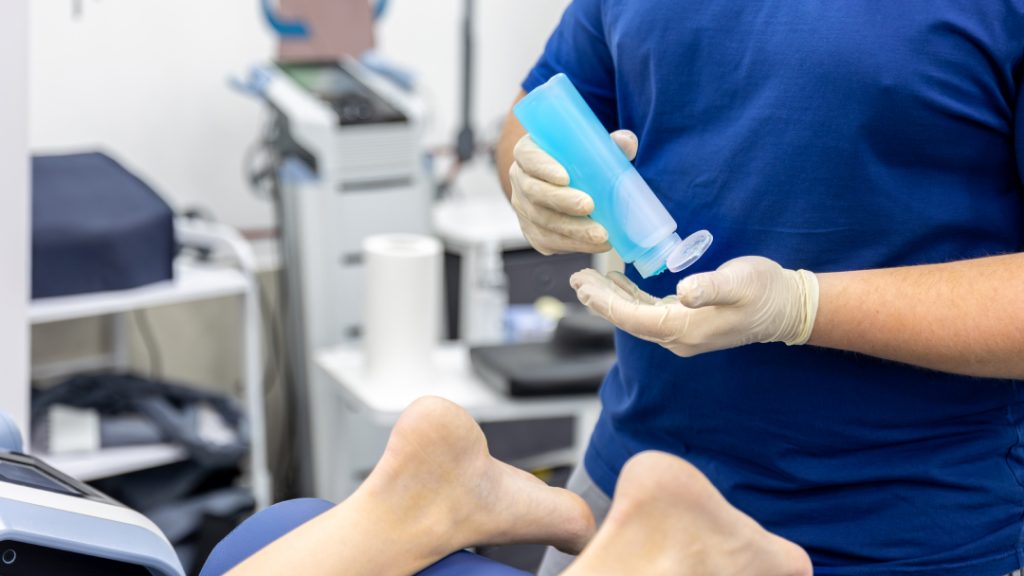
Medical imaging now plays a central role in the accurate assessment of foot pathologies. In a clinical setting, it allows practitioners to go beyond visible symptoms and gain an in-depth understanding of bone and joint structures. At Pied Confort, medical imaging is used as a strategic tool to support rigorous clinical decisions and deliver foot care tailored to each patient.
Thanks to technological advancements, medical imaging is seamlessly integrated into modern podiatry practice, improving diagnostic reliability and reducing clinical uncertainty.
The role of medical imaging in clinical podiatry
In podiatry, medical imaging makes it possible to accurately evaluate the internal structure of the foot, which is often invisible during a basic physical examination. It is particularly useful for analyzing bone alignment, detecting microtrauma, or confirming the source of persistent pain.
Professionals at Pied Confort rely on medical imaging to:
- Confirm a clinical diagnosis
- Guide a personalized treatment plan
- Ensure objective monitoring of progress
This approach enhances the quality of foot care and strengthens long-term complication prevention.
Radiography and functional analysis of the foot
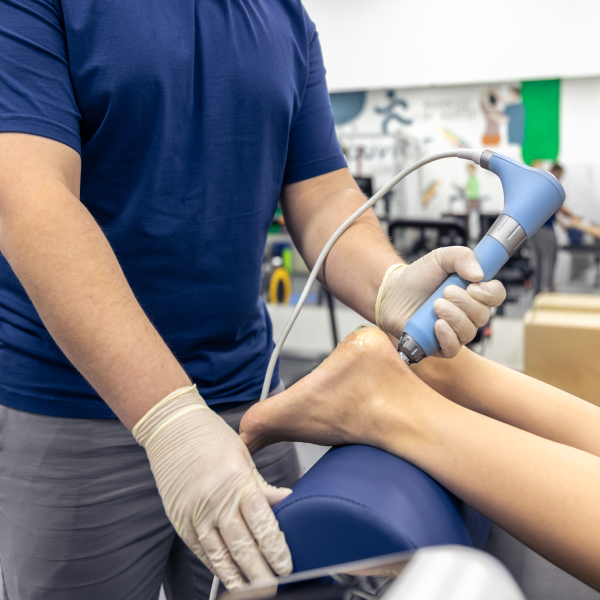
Radiography remains one of the key diagnostic examinations used in podiatry. It allows for precise visualization of bones, joints, and certain structural abnormalities responsible for pain or functional limitations.
Through radiography, medical imaging helps identify:
- Bone fractures or stress fissures
- Structural deformities
- Biomechanical alignment disorders
At Pied Confort, image interpretation is based on clinical expertise that connects visual data to the patient’s functional reality.
Medical imaging and prevention of chronic conditions
Medical imaging also plays a major role in prevention. By detecting certain abnormalities early, it becomes possible to intervene before a condition worsens or becomes chronic.
Preventive use of medical imaging allows practitioners to:
- Anticipate overload-related disorders
- Limit the onset of recurrent pain
- Optimize long-term foot care
This preventive approach is essential in modern podiatry and helps preserve patient mobility and independence.
Integrating medical imaging into personalized foot care
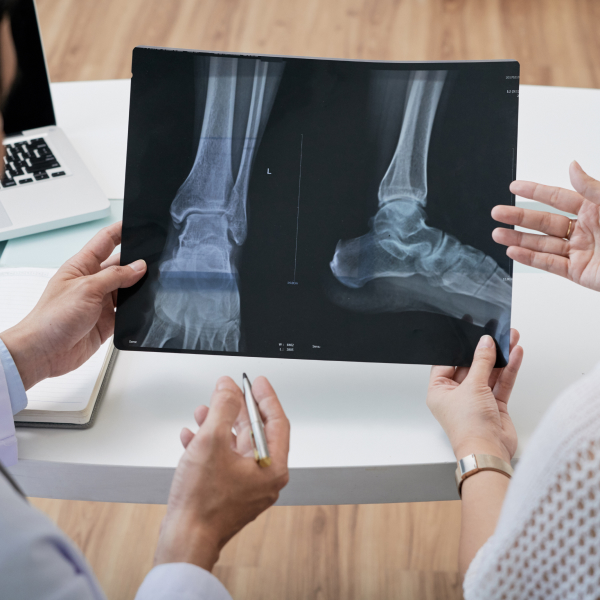
At Pied Confort, medical imaging is never used in isolation. It is integrated into a comprehensive assessment that considers lifestyle, walking habits, and the patient’s functional needs.
This integration allows for:
- Targeted and adaptive treatment
- Improved clinical communication
- A clear patient understanding of the diagnosis
Medical imaging thus becomes an educational tool, strengthening treatment adherence and trust in the proposed care.
Diagnostic reliability and clinical safety
The rigorous use of medical imaging helps secure clinical decisions in podiatry. It reduces the risk of diagnostic error and allows interventions to be adjusted with precision.
In the context of foot care, this reliability is essential to:
- Avoid unnecessary treatments
- Adjust the intensity of care
- Ensure measurable clinical follow-up
At Pied Confort, every examination is interpreted according to recognized professional standards.
Medical imaging as support for podiatric expertise
Medical imaging does not replace human expertise—it enhances it. It supports clinical reasoning and allows podiatrists to practice based on objective data.
Combined with clinical experience, medical imaging becomes a powerful lever for improving foot care quality and achieving lasting results.
A modern approach serving foot health
By integrating medical imaging into a structured podiatric practice, Pied Confort adopts a modern, precise, and prevention-oriented vision. This approach meets the expectations of today’s patients, who seek reliable, transparent, and evidence-based care.
The synergy between podiatry, radiography, and prevention allows foot care to be adapted to every stage of life.
Need a professional evaluation supported by medical imaging?
Contact Pied Confort today to benefit from precise, safe, and personalized podiatric care.
